Manual product selection
The team had to monitor products and decide what to promote without a consistent interest signal.
Case study
The client needed a better way to turn real product interest into timely Facebook content. I built an automation workflow that uses top-viewed product data, ecommerce product details, AI copywriting, generated promo images, and quality checks before publishing.
Overview
Instead of guessing which products to promote, the business could use product-view activity to identify what customers were already interested in and turn those signals into scheduled Facebook content with stronger accuracy controls.
The business problem
Staff had to manually decide which products to post, write captions, collect product details, and publish content. Good opportunities could be missed when high-interest products were not promoted quickly, and manual posting made it harder to keep price, product, and image details consistent.
The team had to monitor products and decide what to promote without a consistent interest signal.
Preparing product copy and publishing posts took time away from higher-value marketing work.
Products receiving high attention were not always turned into timely social posts.
Each post needed product copy, pricing details, selling points, a product image, and a promo visual.
Product names, prices, savings, installment details, and links had to match the ecommerce data.
The team needed a repeatable publishing rhythm without manually preparing every scheduled post.
Challenges
Solution
I designed a workflow that checks product-view activity, selects high-interest products, pulls product details and images from the ecommerce system, generates factual selling points, creates a branded promo image, writes a Facebook caption, and posts through the correct Facebook page.
The goal was not to replace marketing judgment. The goal was to reduce repetitive publishing work and help the team act faster on products customers were already viewing.
The workflow also included fallback product selection by category, so marketing could keep a steady cadence even when the top-viewed list was not the best source for the next post.
A quality-control step analyzes the generated promo image and caption against the product data before the post is allowed through the publishing path.
System architecture
The system connected product demand signals, ecommerce product data, AI content generation, image generation, QA validation, and scheduled Facebook publishing.
Business results
Technologies
Gallery
The screenshots show how the workflow selects products, generates content, validates quality, and publishes to Facebook.
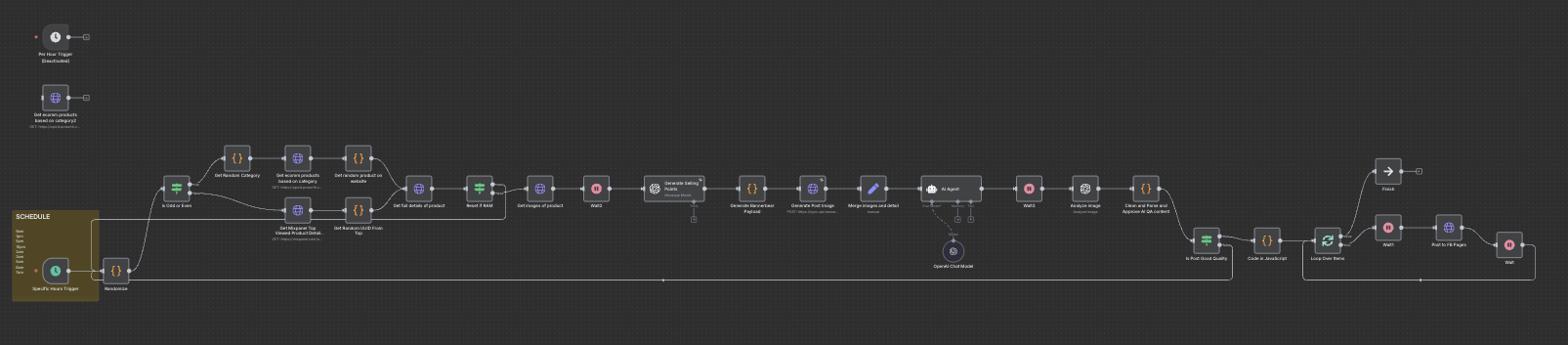
The full n8n workflow connects scheduled triggers, product selection, ecommerce data, AI copy, image generation, validation, and Facebook publishing.
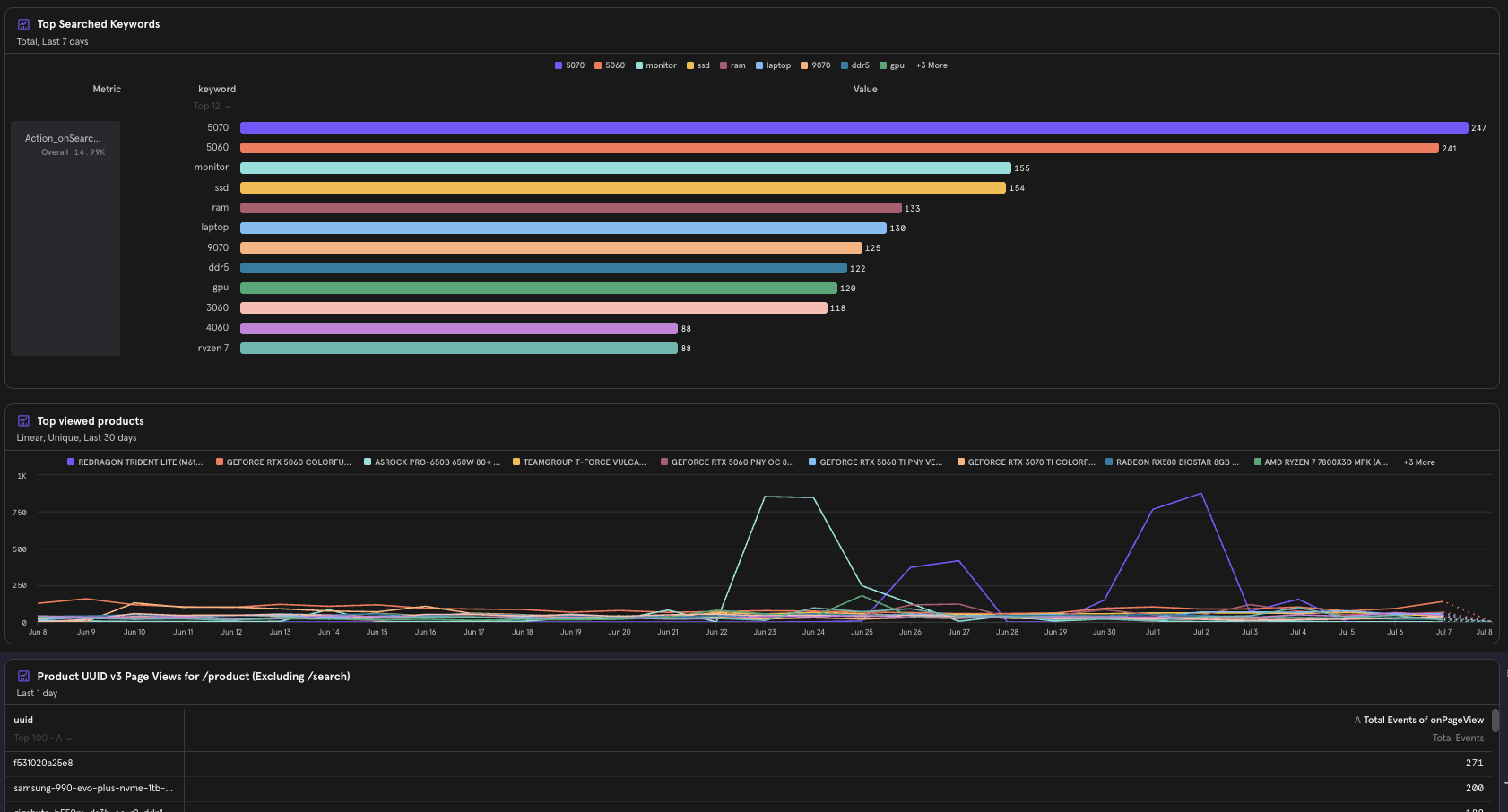
The workflow starts from real product activity, so social posts are based on what customers are already viewing instead of guesswork.
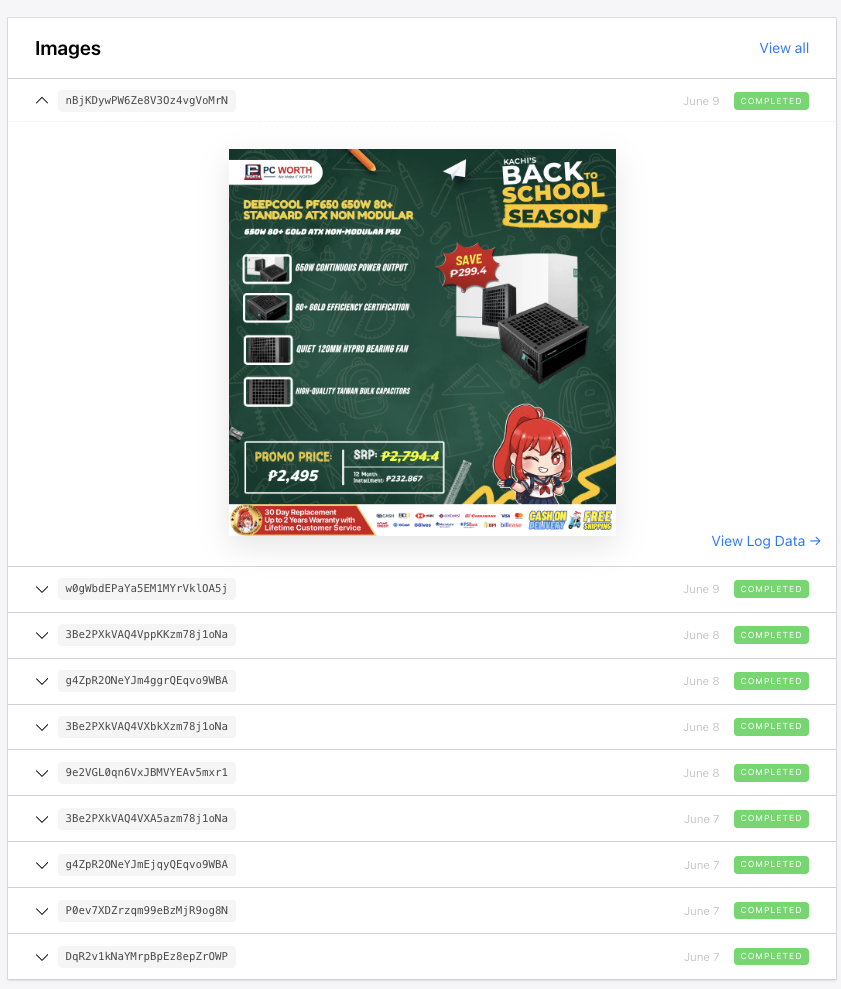
The system creates a ready-to-use visual using the selected product details and image instead of requiring manual creative prep for every post.
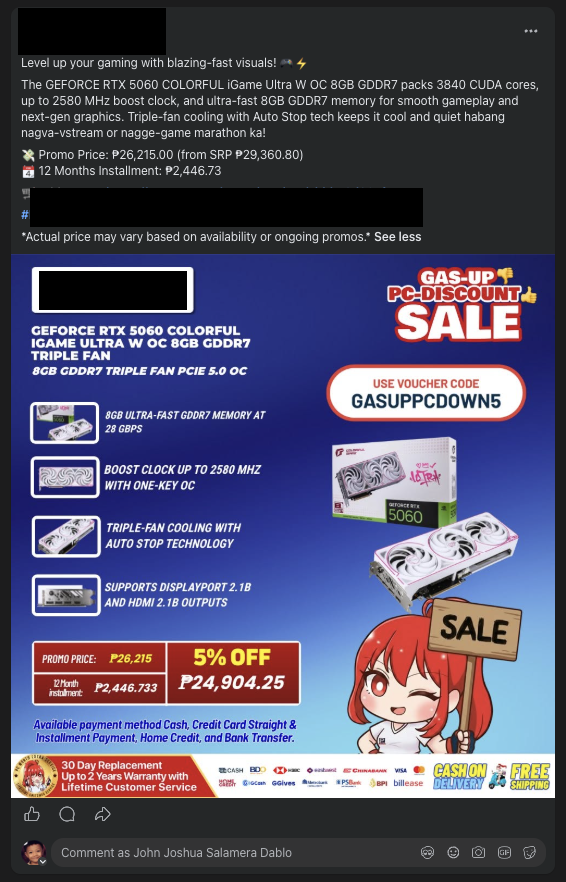
The final post combines product data, selling points, a promo image, and a direct product link while keeping private details hidden.
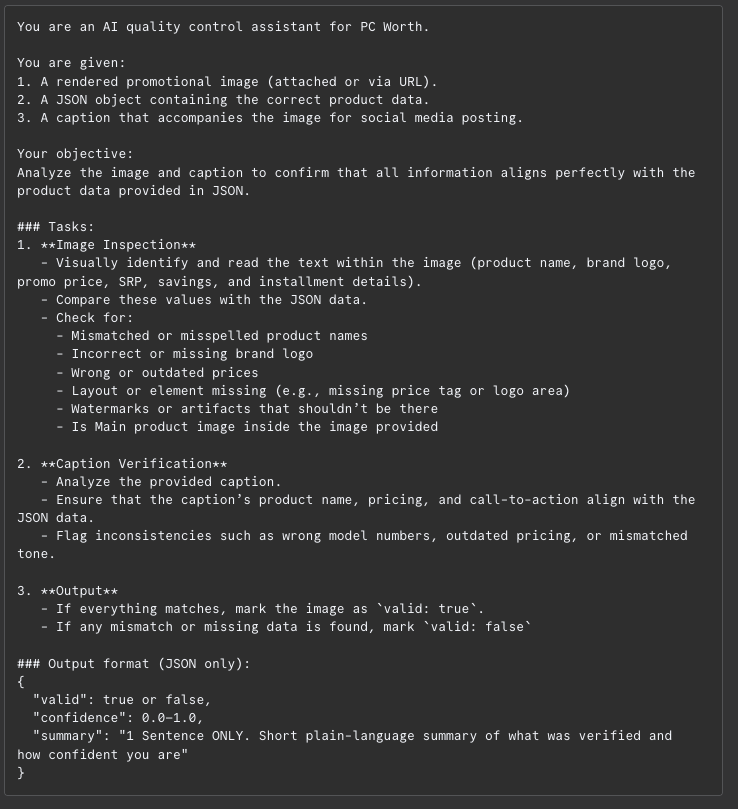
Before publishing, the workflow validates whether the caption and creative match the product details and meet the rules for a usable post.
Why this matters
The workflow reduced repetitive publishing work and helped the business promote products customers were already showing interest in, while adding quality checks before content reached Facebook.
Book a free discovery call and we will identify whether automation can reduce repetitive work in your business.
Book My Free Discovery Call